
From Roars to Resentment: Indian Football Through a Fan’s Eyes
As a football supporter, you have probably heard this famous line: “Leave football before football leaves you” This is rapidly being proved true for Indian football supporters, as the sport itself is slowly leaving us.
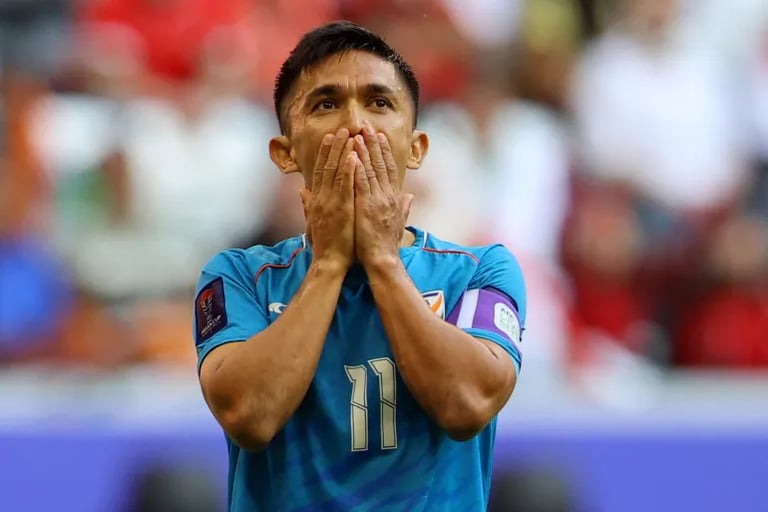
It appears that the state of Indian football is now caught within a bizarre limbo: there is more TV exposure, better social networking, an overall glamorous package of the league, but the essence - the performance of our national team, the overall trend of the sport - appears painfully flat. It’s hard to think of a support base that’s had the past ten years telling themselves it’s “their time” now, but the change in sentiment swings gradually from hope to a certain pique or anger, paving the way towards a more guarded, even "defensive" kind of support. This is where the problem lies in Indian football today: it’s a reflection of the nation and its frustrations with its footballers and management.
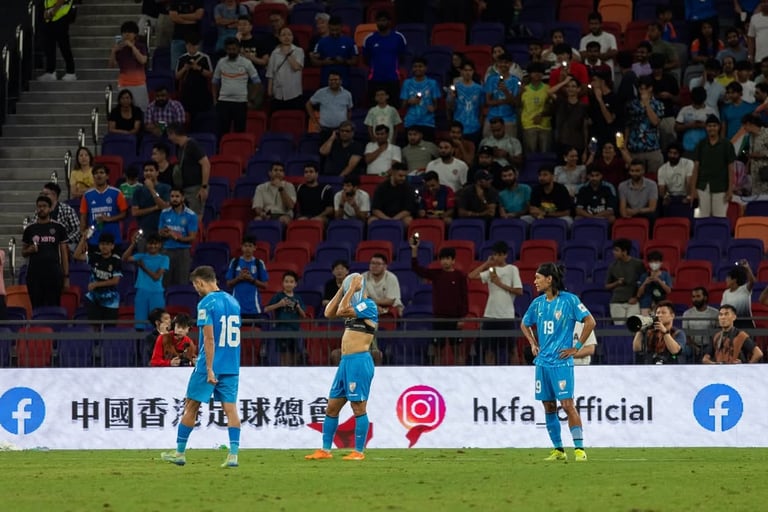
Not too long ago, when India was ranked in the mid-90s of the FIFA rankings, Indian fans had something to be proud of and look forward to. There was hope after their performances at the 2019 Asian Cup and their streak of winning regional titles that perhaps Indian football was soon going to be a force to be reckoned with at the Asian level of football. But then came 2024 and knocked all hopes back into place for this year as well because India failed to win a single game throughout the year and lost more than half their matches while also managing to score very few and conceded significantly more.
Off the field, it is even more of a mess, if not worse. Rather than making news related to roadmaps, youth development programs, and other such positive endeavors, the supporters of the new league are left to ponder stories that are related to legal battles, constitutional disputes, and potential bans from international associations. FIFA and the Asian Football Confederation have again warned the Indian associations that if the matters related to their governance, third-party interference, and changes in the constitution are not sorted out, then there will be severe punishments, thus making it more of a court case than a football project. The supporters, rather than fighting over playstyles, are left to read about affidavits and deadlines.
The home side further makes it a complex situation. The initial feel of the Indian Super League could be likened to a festival. Big-name signings, roaring stadiums, and cities in color belonging to clubs. Such were the average attendances of 20,000, and some clubs would attract massive turnouts, thus creating an actual football culture around match days. But now, that initial spark has fizzled out. There is an average decent turnout, and some matches see big turnouts too, but the electricity is never certain or guaranteed. You may have one match with a full stand and another in the same league where only a few hundred turn up. It really makes the whole system seem fragile. The problem is that at present, it faces an extinction-level situation, again because of many reasons ranging from a lack of finances to sanctions.
It is a contradiction for the fans. Many of these have been struggling between European games conducted at late hours of the night and early morning updates on the Indian teams, expecting maybe that one day the standards they appreciate abroad will also be replicated back home. Instead, they find teams rebranding, moving headquarters, or battling for financial stability as the federation faces challenges of governance. It becomes increasingly difficult to attach much emotion to it if the most fundamental of questions, “What is this likely to look like in five years?” does not have a clear answer.
The emotional impact of this trend can be assessed from the comments of supporters about the game. Today, fanatics not only comment that they need “thick skin” to be an Indian soccer fan, but they also poke fun at it because of the way the crushing defeats come with clockwork regularity. It is almost as if they feel betrayed not just by defeats, but also by the absence of regard for the supporters who come in thousands to enjoy the game. When threats from FIFA/AFC enter the scenario with the rebuke that confusion in the administrative machinery is affecting the players as well as the clubs, supporters might almost feel it is impacting them as well, because it undermines what they themselves have formed around the game.
However, there is a certain optimistic note that runs through all of the above as well. The fact is that the Indian football scene has not fallen apart; instead, it is underperforming on its actual potential as a football nation. The thing is that the young generation of footballers keeps coming forward to improve the overall level of football in the country, while the coaches and the fans are looking forward to a major football event to fill a stadium of more than 50,000 people and produce a certain atmosphere that is comparable to the best footballing countries of Asia.Currently, the state of Indian football seems like that of a club with avid supporters, a good ground, and an alert academy, but with frequent changes of coaches, squabbles in the boardroom, and losses that it should, at least, contest. The supporters have not yet deserted the club; they continue to sing, tweet, and fight amongst themselves, not only on line-ups but also on player transfers.
However, tolerance seems more short-sparked now, and any more excuses will make tolerance virtually impossible. Those at the helm of affairs should realise how close they are to emotionally tiring their most loyal fans. Otherwise, the "roars to resentment" curve will take a worse route than it seems now, towards silence. Currently, the sound or outcry seems still there; however, there seems to be an unmistakable "match your fervour, or else lose it forever."
[Credits - Indian Football/ Instagram]
[Credits - Ibraheem Al Omari/Reuters]
Raghav Sharma
Raghav Sharma is an aspiring sports journalist with a passion for storytelling that captures the true spirit of sport. Through his writing, he aims to uncover untold stories, share thoughtful perspectives, and bring the emotion behind every match and moment to life.
More from Authors
Latest Stories
© 2026 The Khel India , All Rights Reserved