
Indian Football in Crisis: Stats, Silence, and Systemic Failure Behind the Beautiful Game
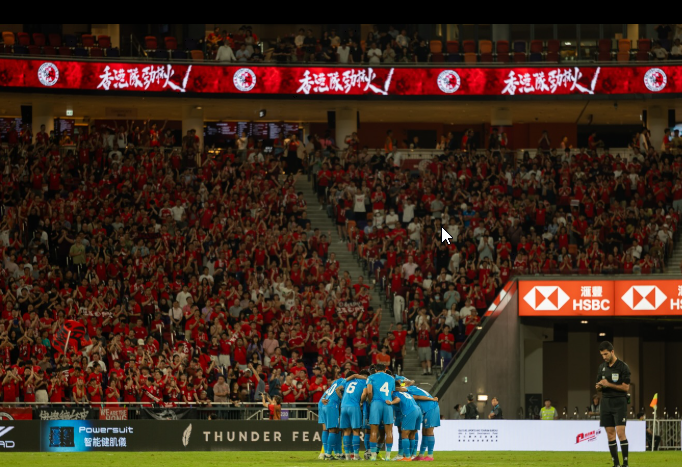
Indian football today exists in a strange paradox. Online, it looks alive hashtags trend, debates rage, leagues stream in high definition, and fans passionately defend the sport. But beneath this surface lies a slow, uncomfortable decay. Not caused by lack of love or talent, but by years of systemic neglect.
This crisis isn’t loud. It doesn’t explode overnight. It grows quietly through poor planning, broken pathways, and ignored warnings. Indian football is not failing because people don’t care. It’s failing because the system doesn’t.
Credits - Indian Football
FIFA RANKINGS: A GRAPH THAT EXPOSES INSTABILITY
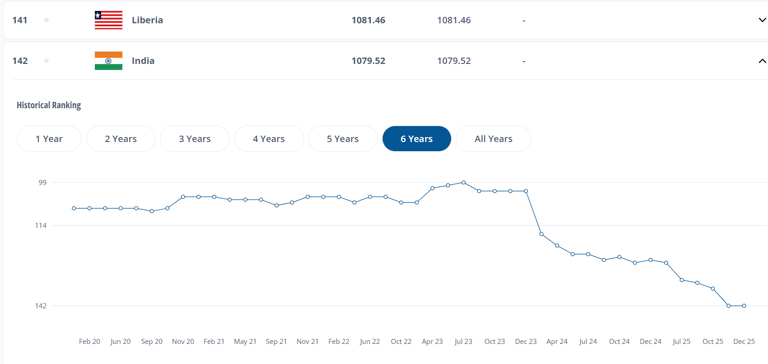
India’s FIFA ranking over the past decade tells a revealing story. Occasional rises spark hope, only to be followed by sharp drops. Unlike successful Asian nations that show gradual, stable improvement, India’s ranking curve looks erratic progress without permanence.
This isn’t coincidence. It reflects a deeper truth: results are being achieved without systems. Wins are celebrated, but the foundations that should sustain them are never strengthened.
GOVERNANCE: WHERE FOOTBALL LOSES DIRECTION
At the heart of Indian football’s confusion lies governance. The All India Football Federation has struggled for years with instability—administrative disputes, delayed reforms, and short-term decision-making.
The consequences ripple downward:
Uncertain domestic calendars
Clubs operating without clarity
Sponsors losing confidence
Players facing instability
Football ecosystems depend on continuity. Indian football operates in fragments.
ISL: BIG NUMBERS, SHALLOW ROOTS
The Indian Super League undeniably changed Indian football’s visibility. Broadcast quality improved. Viewership rose. The league looked professional and global.
But visibility is not the same as depth.
Despite its reach:
Match attendance remains inconsistent
Clubs are heavily owner-dependent
Youth pathways into first teams are weak
The ISL amplified the spotlight but the structure beneath it remained fragile. A league cannot replace an ecosystem. It can only sit on top of one.
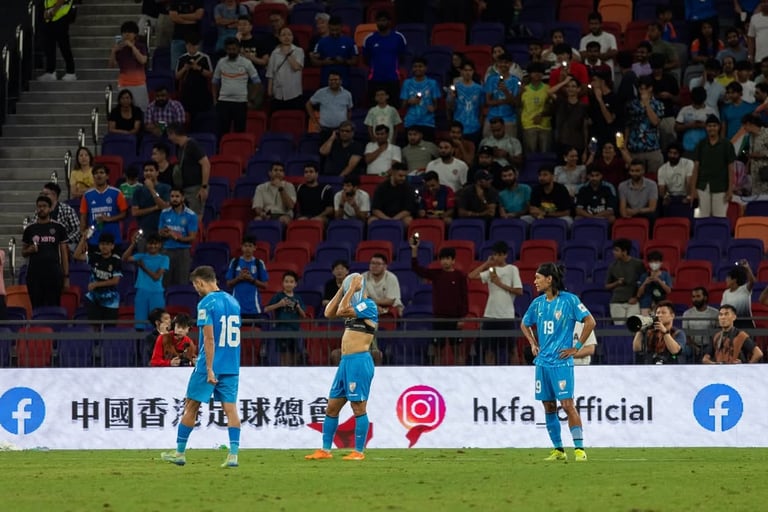
GRASSROOTS: INDIA’S BIGGEST FAILURE BY NUMBERS
This is where Indian football truly bleeds.
India has one of the lowest ratios of registered youth footballers per capita among emerging football nations. Not because children don’t love football but because access is limited and uneven.
Most promising players drop out before the age of 16 due to:
Financial pressure
Academic insecurity
Lack of clear professional pathways
The base of the pyramid is painfully narrow. And when the base is weak, the top will always shake.
Credits - Indian Football
PLAYER WELFARE: PROFESSIONAL EXPECTATIONS, AMATEUR SECURITY
At lower tiers of Indian football, delayed salaries are common. Contracts are short. Medical and injury support varies wildly. Mental health support is almost non-existent.
Many careers end early, not due to lack of ability, but burnout. Financial, physical, and psychological.
Indian footballers are expected to perform like professionals while being protected like amateurs. The imbalance drives talent away silently.
NATIONAL TEAM: TOO DEPENDENT ON TOO FEW
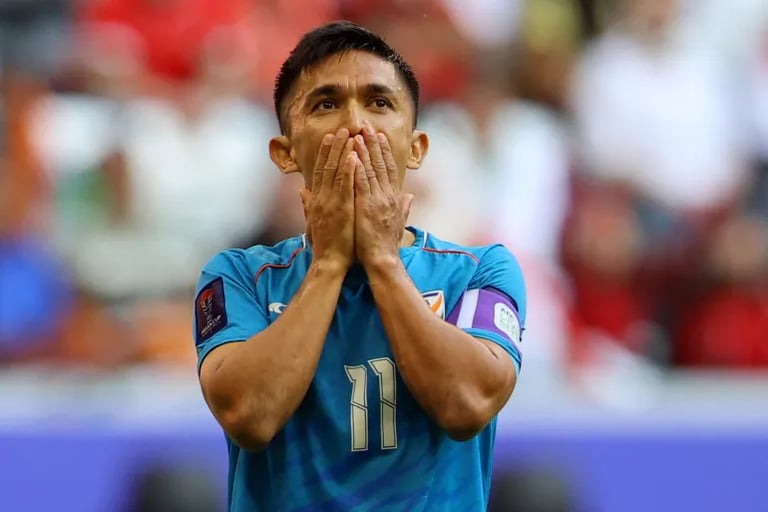
For over a decade, India’s attacking output leaned heavily on Sunil Chhetri. A significant percentage of India’s international goals came from one man.
This is not a criticism of Chhetri, it’s a warning about the system.
Strong football nations replace legends smoothly. India is still searching for a reliable succession plan.
FANS: PASSION THAT IS TAKEN FOR GRANTED
Indian football fans are among the most passionate online. But stadium retention tells a different story. Poor matchday experiences, inconsistent scheduling, and weak communication alienate even loyal supporters.
Football cultures are built with fans, not merely marketed to them.
MEDIA: MOMENT-DRIVEN, NOT PROCESS-DRIVEN
Coverage spikes during tournaments and disappears afterward. Long-term investigative scrutiny is rare. Failures fade quickly, allowing the same mistakes to repeat.
Celebrating outcomes without questioning processes keeps Indian football trapped in cycles.
WHAT THE DATA CLEARLY DEMANDS
Indian football doesn’t need miracles. It needs consistency:
Stable governance
Mandatory grassroots investment
Player welfare protection
Integrated youth-to-senior pathways
Honest communication with fans
None of this is glamorous. All of it works.
CONCLUSION: TIME IS THE MOST DANGEROUS OPPONENT
Indian football isn’t dead, but it is dangerously stagnant. Every year of delay compounds the damage. Talent still exists. Passion remains alive.
But potential has an expiry date.
The question is no longer whether Indian football can grow.
It is whether it will choose to before time chooses for it
“A system that survives by ignoring its failures is already collapsing — it just hasn’t admitted it yet.”
— Noam Chomsky
Credits - Indian Football
Vansh Thakor
Vansh is a student currently pursuing studies in Cybersecurity and Digital Forensics. Alongside his academic journey, he nurtures a strong interest in sports writing, regularly exploring issues, trends, and developments across various sporting disciplines. His work is driven by curiosity and shaped by thoughtful observation.


More from Authors
Latest Stories
© 2026 The Khel India , All Rights Reserved